The Forever Paddle Myth: When Exactly Should You Replace Your Rubbers?
There is a quiet superstition in club halls.
A player clings to a paddle that has survived three seasons, two league campaigns, and at least one existential crisis. He calls it loyalty. He calls it comfort. He calls it the perfect setup.
I call it denial.
If you are asking how long do table tennis rubbers last, you are already sensing the truth. Equipment evolves. So do you.
Let us examine this myth carefully, without sentimentality.
1. Textbook vs. Reality: Rubber Longevity
Textbook advice says: replace your rubbers every six to twelve months.
Reality is more nuanced.
Rubber lifespan depends on:
- Frequency of play.
- Intensity of spin generation.
- Storage conditions.
- Maintenance habits.
If you do not maintain rubbers, they get worn out far sooner. Dust, sweat, and microscopic debris accumulate. The topsheet loses grip. The sponge loses elasticity.
Cleaning table tennis rubber is not cosmetic. It preserves friction, which directly affects dwell time and throw angle.
The contrast is simple:
Textbook: time based replacement.
Reality: performance based replacement.
2. Maintenance: The Forgotten Discipline
Most players obsess over new equipment while neglecting basic care.
Rubbers get dirty, so clean them.
After each session:
- Use a slightly damp sponge or specialized rubber cleaner.
- Wipe gently in one direction.
- Apply a protective film before storing.
This ritual preserves surface tack and slows oxidation.
If you never clean your rubbers, you may mistake dirt for wear. A quick cleaning sometimes resurrects spin you thought was gone.
Masters do not need new rubber every month. They need reliable ones. Predictability matters more than novelty.
3. The Anatomy of a Point: When Wear Becomes Visible
Consider a standard forehand loop against backspin.
Fresh rubber: the ball sinks into the sponge, dwell time is sufficient, the arc clears the net with a confident dip.
Worn rubber: contact feels hollow. The ball slides slightly. The arc flattens. You compensate by swinging harder.
Now analyze the rally.
You serve short. Opponent pushes long. You loop. The ball clips the net repeatedly despite correct technique.
Is it timing? Possibly.
But if this pattern persists, and you find yourself overexerting to achieve former spin levels, your rubber may have crossed the invisible threshold.
Would you even notice your rubbers are worn out?
Many players do not. Decline is gradual. They adapt subconsciously, reducing spin expectation and increasing force.
Performance erodes quietly.
4. You Have Changed Too
Here is the overlooked factor.
You got your blade and rubbers at some point. At that time, your technique was different. Your stroke mechanics were less refined. Your understanding of spin was immature.
Now you have learned more.
Your forehand has more acceleration. Your backhand has better timing. You read spin earlier.
Perhaps you need different rubbers, not because the old ones are dead, but because you have outgrown them.
A developing player may shift from high control, soft sponge to something slightly firmer and more dynamic. Or the opposite, if consistency becomes the priority.
Equipment is a partnership. When you evolve, the partnership may require adjustment.
5. Signs It Is Time to Replace
There are objective and subjective signals.
Objective signs:
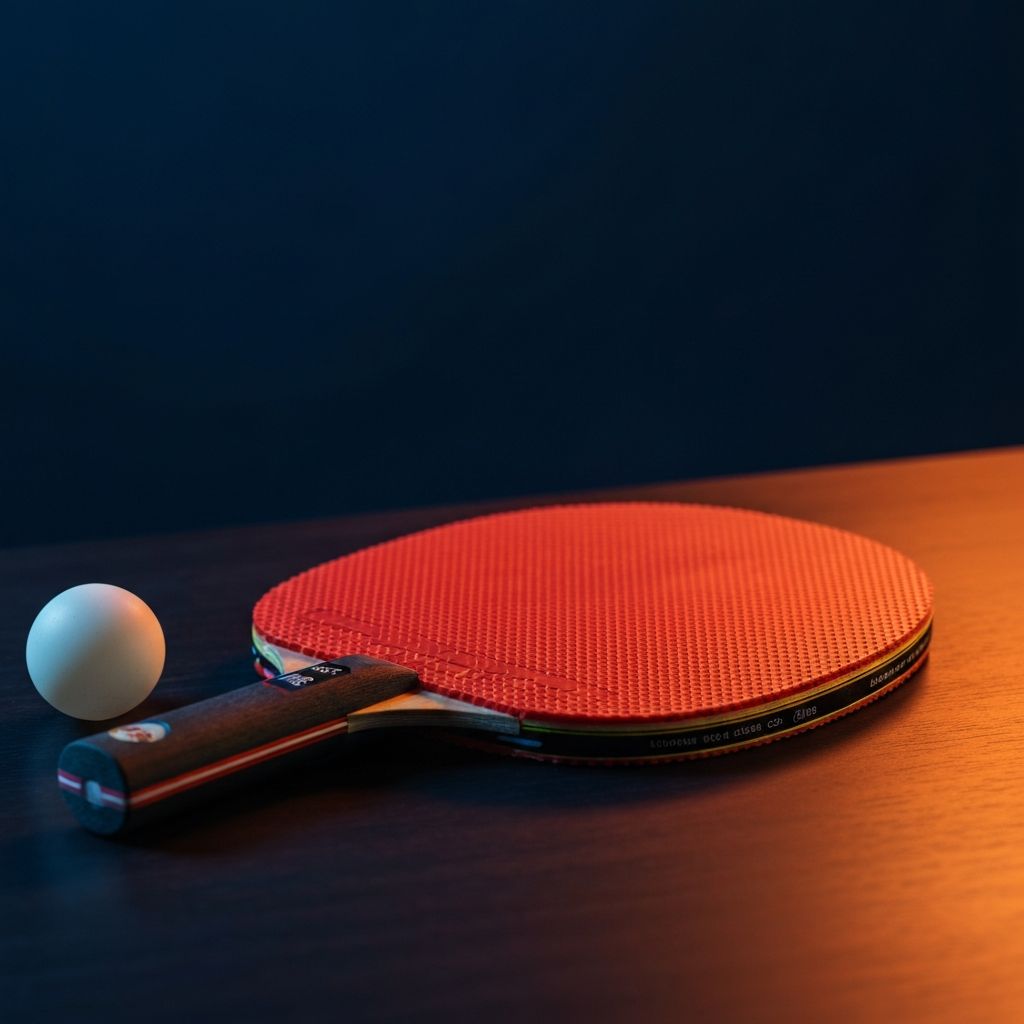
- Visible smooth patches on the topsheet.
- Reduced grip even after cleaning.
- Sponge feels hardened and unresponsive.
- Cracks or edge separation.
Subjective signs:
- Loops lack former arc despite solid technique.
- Serves produce less spin.
- Blocks feel inconsistent without technical explanation.
And sometimes you just feel it. It is time to move on.
That intuition is not mystical. It is accumulated sensory memory. You know how your rubber once behaved. When it no longer matches that memory, trust your perception.
6. Masters and Reliability
Elite players often change rubbers frequently. Club masters often do not.
Why?
Because masters prioritize reliability. They understand their equipment intimately. They value consistent rebound and predictable spin.
They do not chase speed. They refine control.
A slightly older rubber that behaves consistently can be more valuable than a brand new one that feels volatile.
The question is not: is it old?
The question is: is it reliable?
Conclusion: Replace with Intention, Not Emotion
The forever paddle is a comforting myth. It suggests stability in a sport defined by adjustment.
Maintain your rubbers. Clean them. Protect them. Observe their behavior honestly.
Replace them when performance declines meaningfully, or when your development demands a different profile.
Do not cling to dead friction out of nostalgia.
At forty, I learned this lesson twice. Once about rubbers. Once about ambition.
Sometimes you just feel it. It is time to move on.
In equipment, as in life, reliability and growth must coexist.
FAQs - Frequently Asked Questions
Q1: How long do table tennis rubbers last for regular club players?
For players training two to three times per week, rubbers often last between six and twelve months. Heavy topspin players may need replacement sooner.
Q2: How often should I clean table tennis rubber?
Ideally after every session. Regular cleaning preserves grip and extends lifespan significantly.
Q3: Can cleaning restore completely worn out rubbers?
No. Cleaning removes dirt and improves surface grip, but it cannot restore a hardened sponge or permanently worn topsheet.
Q4: How do I know if it is my technique or my rubber?
If technical errors appear suddenly and cleaning does not help, test another racket if possible. Comparison often reveals whether equipment is the issue.
Q5: Should beginners replace rubbers as often as advanced players?
Not necessarily. Beginners generate less spin and stress on the rubber. Replacement should be based on wear and performance, not status.