How to Join a Table Tennis Club Without Feeling Like an Idiot
I started at forty.
By then, I could analyze a forehand loop in slow motion, calculate dwell time in my sleep, and detect a disguised pendulum serve from the tremor in a wrist. What I could not do was walk into a club without feeling like an imposter.
If you are typing "table tennis clubs near me" into your search bar at midnight, wondering how to start playing table tennis without humiliating yourself, this is for you.
Let us dismantle the fear with clarity.
1. The First Barrier: Textbook vs. Reality
Textbook fear says: everyone inside is better than me; I will embarrass myself; they will judge my grip.
Reality says: they are thrilled you showed up.
Table tennis is not futbol. It is not a stadium sport with thousands fighting for space. Most clubs are intimate ecosystems. They survive on community, not exclusivity. They need players. Beginners, veterans, returning hobbyists, juniors, seniors.
Your arrival is not an inconvenience. It is oxygen.
The contrast is stark: you imagine a trial by fire; they see a potential training partner and future friend.
2. You Gotta Go Out There and Ask
There is no substitute for this.
You can watch tutorials. You can compare blades and rubbers. You can debate throw angles in online forums.
But nothing replaces walking in and saying, "Hi, I am new. I want to start playing."
This simple sentence is the first real stroke of your table tennis career.
Clubs usually have a coach, a coordinator, or simply a veteran who knows everyone. Ask about beginner sessions. Ask about trial days. Ask where you fit.
The moment you ask, the fog clears. Uncertainty thrives in silence; it dissolves in conversation.
3. The Anatomy of a First Night
Let us break down a typical first session.
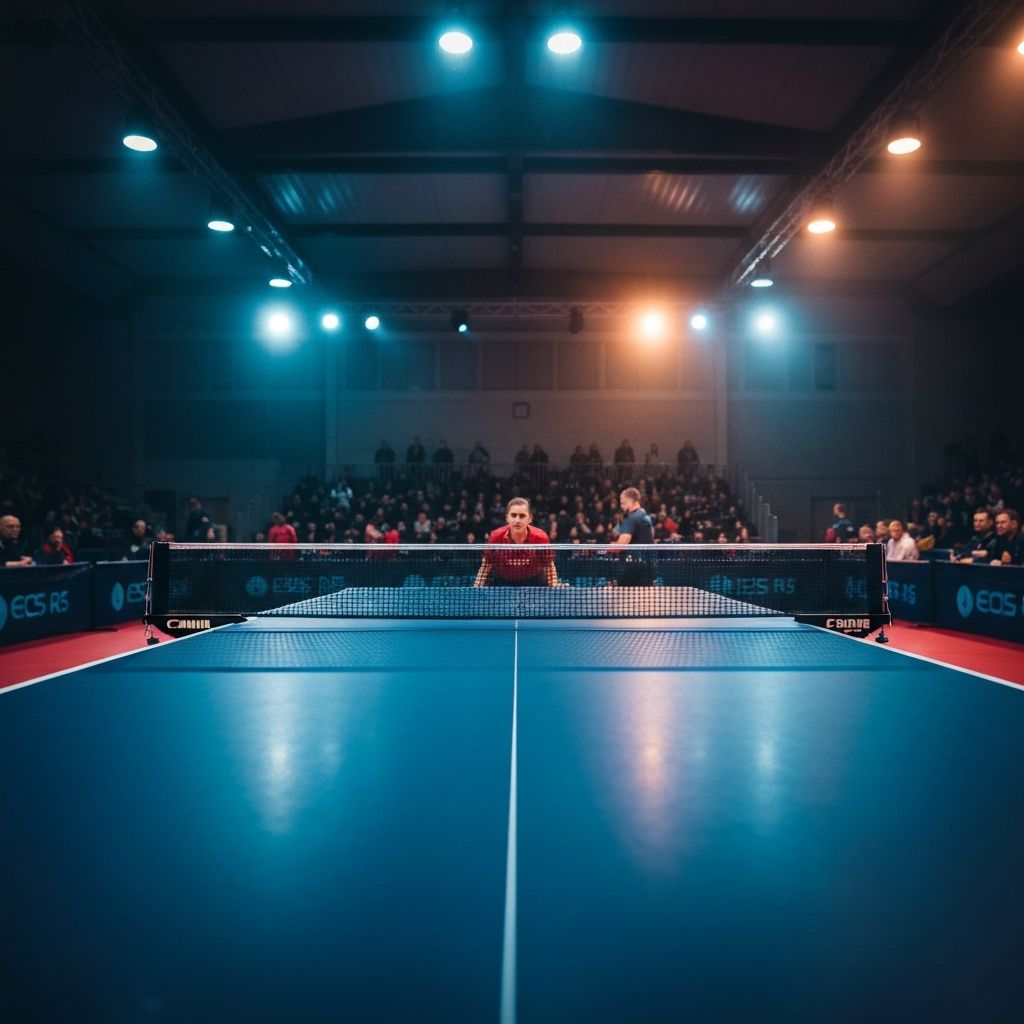
You enter the hall. The sound of rhythmic rallies fills the space. The ball echoes sharply. For a moment, you feel small.
A coach greets you. He asks about your experience. You answer honestly: "Almost none."
He assigns you to a beginner group.
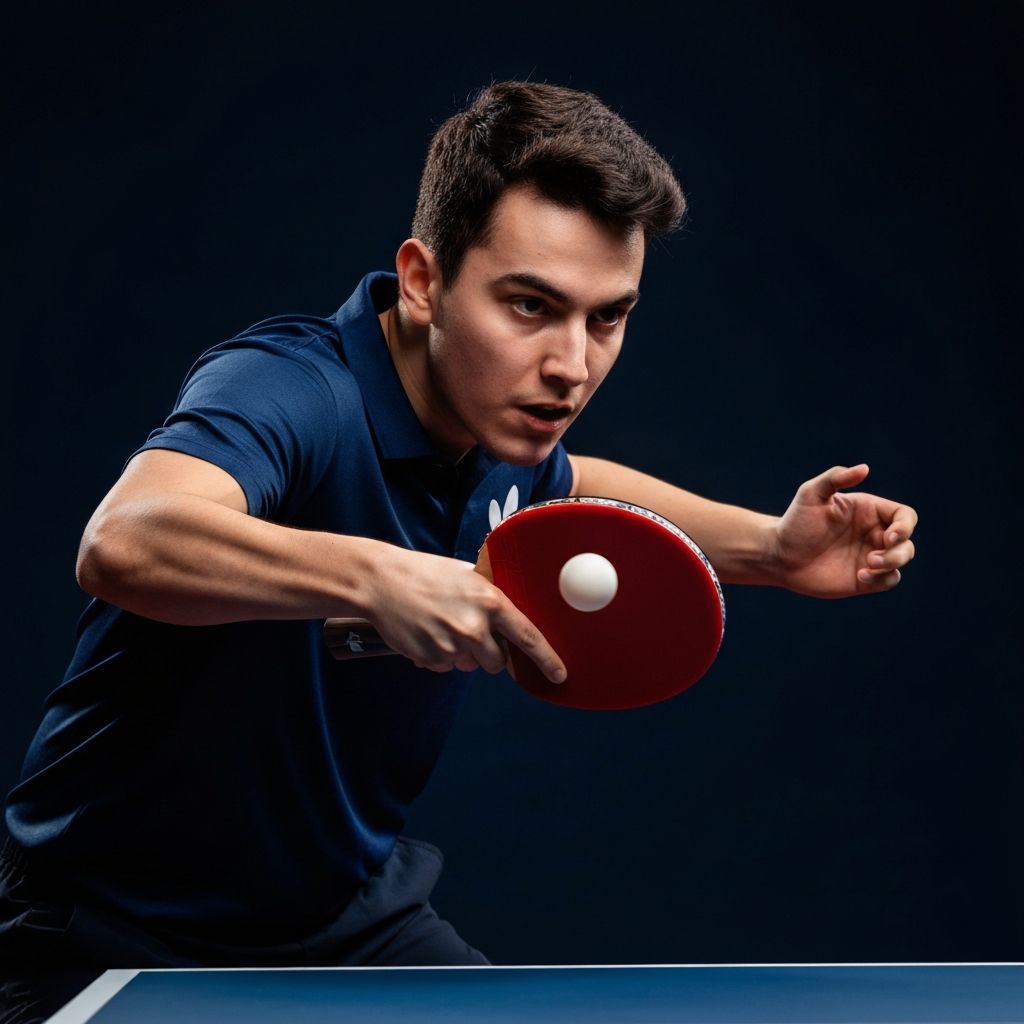
First drill: forehand to forehand, controlled pace.
You miss the first three balls.
Here is what actually happens inside the club:
- Nobody laughs.
- Your partner adjusts speed.
- The coach corrects your stance, not your worth.
By minute twenty, you connect cleanly. You feel the ball sink into the rubber, dwell time extending just enough to sense control. For a fraction of a second, you understand why people dedicate decades to this sport.
That is the moment you stop feeling like an idiot.
4. There Is a Place for Everyone
Most clubs run structured classes:
- Beginner groups focusing on basics.
- Intermediate sessions emphasizing footwork and spin variation.
- Advanced training with multi ball drills and tactical play.
You will not be thrown against the local champion on day one unless you insist.
This is crucial: development in table tennis is systematic. Training is the foundation, regardless of your level. The importance is not where you find yourself on the rating ladder. The importance is that you train.
Even if you are placed among stronger players, that is not humiliation. That is accelerated learning. A 2000 rated mind can coexist inside a 1000 rated body. Growth is not linear, but it is reliable when guided.
5. The Psychological Anchoring Problem
Most beginners anchor their self image to their first session.
"I missed everything, therefore I am terrible."
This is flawed logic.
Your brain is calibrating to new variables: spin, speed, timing, spatial awareness. You are processing throw angles and contact points subconsciously.
Feeling clumsy is not proof of incompetence. It is proof of adaptation.
The players around you know this. They went through it. They remember their first uncontrolled blocks and late backhands.
In fact, many of them quietly admire newcomers. Starting something new as an adult requires courage that juniors never have to exercise.
6. Equipment Anxiety: The Equipment Whisperer Speaks
Another common fear is gear.
"What if my paddle is wrong?"
Relax.
At beginner level, consistency of contact matters more than blade composition. Many clubs lend rackets. Coaches often recommend affordable, balanced setups with moderate speed and forgiving sponge.
You do not need carbon layers engineered for professional counters. You need control, predictable rebound, and time to learn.
The obsession with equipment usually appears after you fall in love with the sport, not before.
7. How to Start Playing Table Tennis the Right Way
If you are serious about how to start playing table tennis, follow this simple progression:
- Search for table tennis clubs near me.
- Contact one or two by email or phone.
- Attend a trial session.
- Commit to regular training, at least once or twice per week.
- Accept temporary discomfort as the price of skill.
Improvement in this sport is a function of repetition under guidance. Training refines timing, footwork, and tactical awareness. Talent is helpful; structure is decisive.
The club is not a stage. It is a laboratory.
Conclusion: Courage Is the First Stroke
Joining a table tennis club is not about proving you belong. It is about deciding you want to learn.
People at clubs are usually welcoming. They are not gatekeepers; they are custodians of a sport that survives through shared passion. They need players. They need beginners. They need you.
I began too late for Olympic dreams. But I gained something subtler: the quiet satisfaction of understanding a complex game from the inside.
Walk into that hall. Ask your question. Miss your first forehand.
Then stay.
That is how you stop feeling like an idiot. That is how you start becoming a player.
FAQs - Frequently Asked Questions
Q1: How do I find table tennis clubs near me?
Search online, check local sports centers, and contact community halls. Many clubs have simple websites or social media pages with contact details and training times.
Q2: I am a complete beginner. Will I slow everyone down?
No. Most clubs have beginner classes or designated practice sessions. Players expect different levels and usually adjust their pace.
Q3: What should I bring to my first session?
Comfortable sports clothes, indoor shoes with good grip, water, and if possible a basic racket. If you do not have one, many clubs provide loaner paddles.
Q4: What if I am older than most players?
Age is not a barrier in table tennis. Adults start at every stage of life. Tactical understanding often compensates for physical limitations.
Q5: How long before I feel comfortable?
Usually a few sessions. As your timing improves and you recognize spin more clearly, your confidence rises naturally.